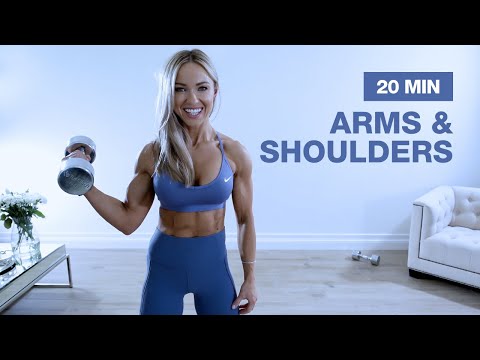

When it comes to building upper body strength and toning muscles, arm exercises with weights are one of the most effective ways to achieve results. Incorporating weights into your arm workouts not only helps you target specific muscles, such as the biceps, triceps, and shoulders, but it also adds resistance that promotes muscle growth and endurance. Whether you’re new to weight training or looking to enhance your routine, these exercises offer a versatile way to reach your fitness goals.
Adding arm exercises with weights to your fitness routine doesn’t require a lot of equipment. You can perform these exercises with a set of dumbbells, resistance bands, or even household items like water bottles. The key is to gradually increase the resistance to challenge your muscles and prevent plateaus. This will help you develop stronger, more defined arms while also improving overall upper body strength.
Not only do arm exercises with weights contribute to muscle definition, but they also play a critical role in improving daily functional movements. From lifting groceries to carrying heavy objects, stronger arms make everyday tasks easier and reduce the risk of injury. By incorporating these exercises into your routine, you’ll not only build strength but also enhance your posture and stability.
Introduction
Achieving toned, sculpted arms is a common fitness goal for many women. Whether you’re looking to enhance muscle definition or reduce the appearance of flabby arms, incorporating weights into your workout routine can be highly effective. This article will guide you through various arm-toning exercises using weights, tailored specifically for women. These exercises will target different muscle groups in the arms, ensuring a balanced and comprehensive workout.
Benefits of Arm Exercises with Weights
Incorporating weights into your arm exercises has numerous benefits:
- Increased Muscle Tone: Weights help build and define muscle, giving your arms a toned appearance.
- Enhanced Strength: Regular weight training improves overall strength, making daily tasks easier.
- Boosted Metabolism: Muscle mass burns more calories at rest, aiding in weight management.
- Improved Bone Health: Weight-bearing exercises strengthen bones, reducing the risk of osteoporosis.
Effective Arm-Toning Exercises with Weights
1. Bicep Curls
Targeted Muscles: Biceps
How to Perform:
- Stand with your feet shoulder-width apart, holding a dumbbell in each hand.
- Keep your elbows close to your torso and palms facing forward.
- Curl the weights up to shoulder height while keeping your upper arms stationary.
- Slowly lower the weights back to the starting position.
Reps and Sets: 3 sets of 12-15 reps
2. Tricep Extensions
Targeted Muscles: Triceps
How to Perform:
- Stand with your feet shoulder-width apart, holding a dumbbell with both hands.
- Raise the dumbbell above your head with your arms fully extended.
- Lower the weight behind your head by bending your elbows and keeping your upper arms close to your ears.
- Extend your arms back to the starting position.
Reps and Sets: 3 sets of 12-15 reps
3. Lateral Raises
Targeted Muscles: Deltoids (shoulders)
How to Perform:
- Stand with your feet shoulder-width apart, holding a dumbbell in each hand at your sides.
- Raise your arms to the sides until they are parallel to the floor, keeping a slight bend in your elbows.
- Lower the weights back to the starting position slowly.
Reps and Sets: 3 sets of 12-15 reps
4. Hammer Curls
Targeted Muscles: Biceps and Forearms
How to Perform:
- Stand with your feet shoulder-width apart, holding a dumbbell in each hand with palms facing your body.
- Curl the weights up while keeping your palms facing each other.
- Lower the weights back to the starting position slowly.
Reps and Sets: 3 sets of 12-15 reps
5. Overhead Press
Targeted Muscles: Shoulders, Triceps
How to Perform:
- Stand with your feet shoulder-width apart, holding a dumbbell in each hand at shoulder height.
- Press the weights overhead until your arms are fully extended.
- Lower the weights back to the starting position.
Reps and Sets: 3 sets of 12-15 reps
6. Tricep Kickbacks
Targeted Muscles: Triceps
How to Perform:
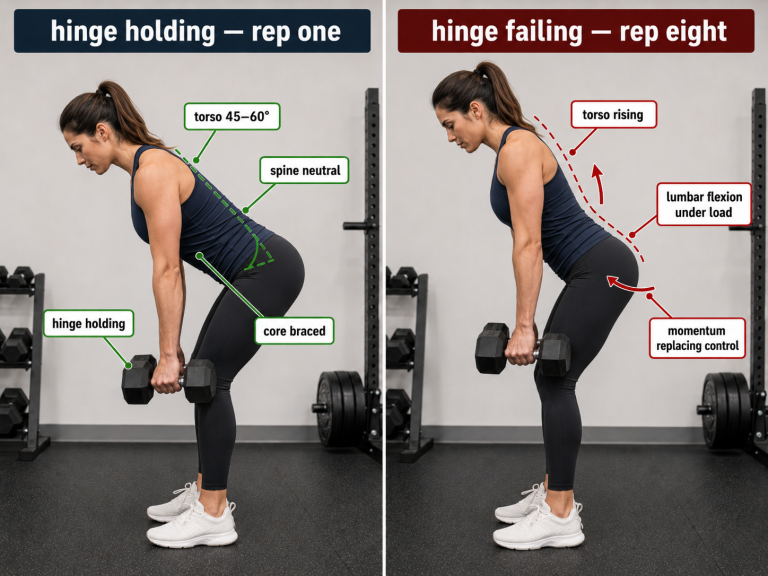
- Stand with your feet shoulder-width apart, bending slightly at the waist.
- Hold a dumbbell in each hand, keeping your upper arms parallel to the floor.
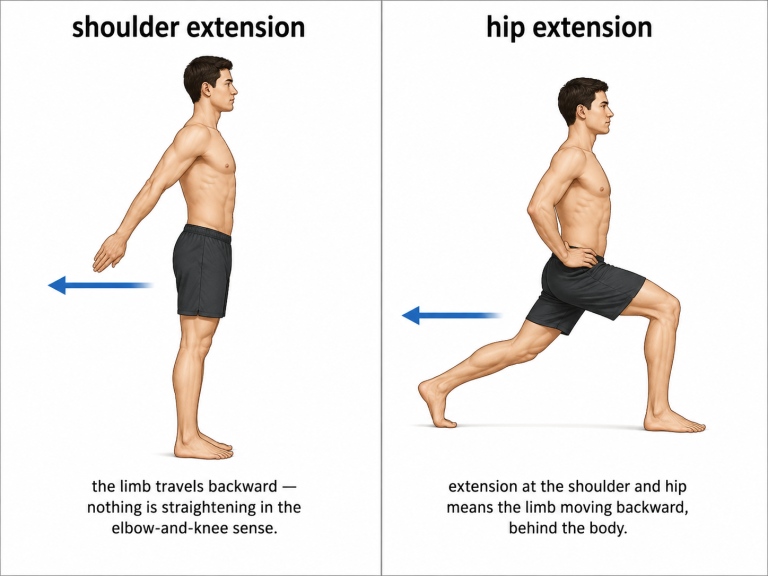
- Extend your forearms back until your arms are fully extended.
- Return to the starting position.
Reps and Sets: 3 sets of 12-15 reps
7. Front Raises
Targeted Muscles: Shoulders
How to Perform:
- Stand with your feet shoulder-width apart, holding a dumbbell in each hand in front of your thighs.
- Raise one arm in front of you to shoulder height, keeping a slight bend in your elbow.
- Lower the weight back to the starting position and repeat with the other arm.
Reps and Sets: 3 sets of 12-15 reps
Tips for Effective Arm Workouts
- Warm-Up: Always start with a warm-up to prepare your muscles and prevent injuries. Light cardio or dynamic stretching works well.
- Proper Form: Maintain proper form to avoid injuries and maximize effectiveness. Focus on controlled movements.
- Gradual Progression: Start with lighter weights and gradually increase the resistance as you build strength.
- Consistency: Aim to perform arm exercises at least two to three times a week for best results.
- Balanced Routine: Incorporate exercises that target all major muscle groups in your arms for balanced development.
Incorporating these arm-toning exercises with weights into your fitness routine can help you achieve strong, sculpted arms. Remember to maintain proper form, progress gradually, and stay consistent with your workouts. With dedication and effort, you can reduce the appearance of flabby arms and enjoy the benefits of increased strength and muscle tone. So, grab your weights and start working towards your fitness goals today!