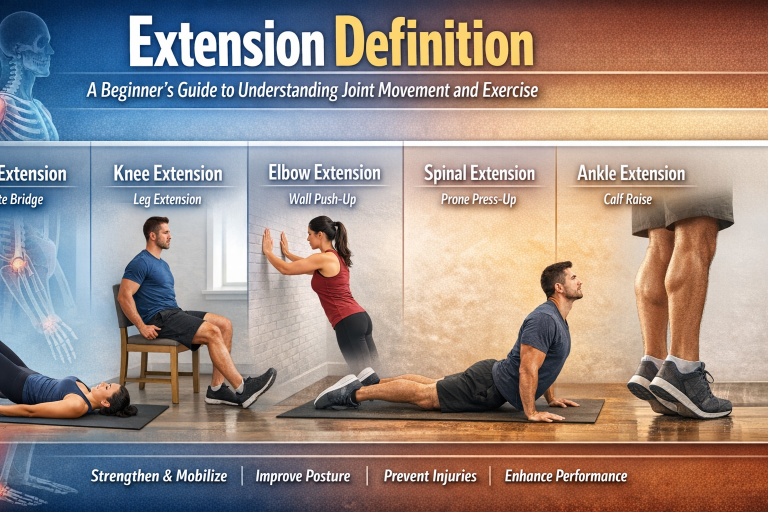
Living with arthritis doesn’t mean accepting a life of limited movement and constant pain. For seniors dealing with joint stiffness and discomfort, joint extension for seniors with arthritis offers a pathway to improved mobility and reduced pain. These gentle yet effective techniques can help you maintain independence and enjoy daily activities with greater comfort.
Joint extension refers to the movement that straightens a joint, increasing the angle between connected bones. When arthritis affects your joints, this simple movement becomes challenging and painful. However, with the right approach and consistent practice, you can significantly improve your quality of life through targeted extension exercises and pain management strategies.
Understanding Arthritis and Joint Extension Challenges
Arthritis causes inflammation in the joints, leading to stiffness, swelling, and reduced range of motion. Morning stiffness is particularly common, making it difficult to extend joints fully after periods of rest. This limitation affects everyday tasks like reaching for objects, walking up stairs, or simply getting out of bed.
The key to successful joint extension for seniors with arthritis lies in gentle, consistent movement that doesn’t aggravate inflammation. Research shows that regular extension exercises can help maintain joint flexibility and reduce pain over time.
10 Effective Pain Solutions for Joint Extension
1. Gentle Morning Extension Routines to Reduce Overnight Stiffness
Start your day with simple extension movements while still in bed. These gentle exercises help loosen stiff joints and prepare your body for daily activities. Begin with ankle circles, then progress to knee extensions and gentle arm stretches.
Spend 5-10 minutes on these movements before getting up. Hold each extension for 10-15 seconds, breathing deeply to help relax your muscles. This routine sets a positive tone for the rest of your day and significantly reduces morning stiffness.
2. Aquatic Therapy Benefits for Pain-Free Extension Movements
Water-based exercises provide exceptional benefits for joint extension for seniors with arthritis. The buoyancy of water reduces pressure on joints while providing gentle resistance for strengthening. Pool temperatures between 83-88°F offer additional therapeutic benefits by promoting muscle relaxation.
Simple water walking, leg swings, and arm extensions in the pool can dramatically improve your range of motion. The hydrostatic pressure of water also helps reduce swelling and provides natural pain relief during exercise.
3. Heat Application Protocols Before Extension Exercise Sessions
Applying heat before attempting joint extension exercises can significantly reduce pain and improve flexibility. Use warm towels, heating pads, or warm baths for 15-20 minutes before your exercise routine. The heat increases blood flow to the affected joints and helps relax stiff muscles.
Never apply heat to inflamed or swollen joints during active flare-ups. Instead, wait for inflammation to subside before using heat therapy as part of your extension routine.
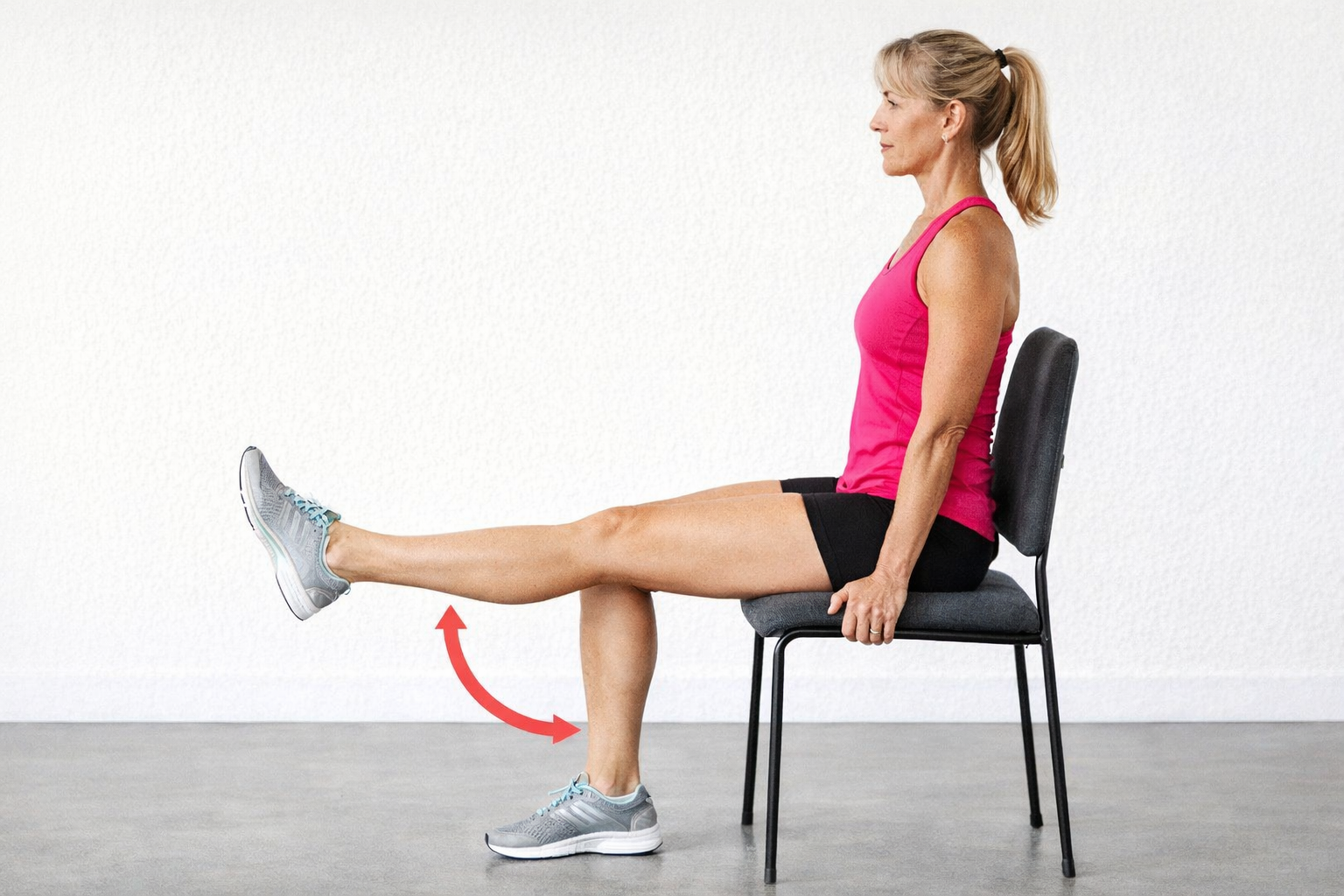
4. Chair-Based Extension Exercises for Limited Mobility Seniors
Not all seniors can perform standing exercises comfortably. Chair-based extension exercises offer an excellent alternative that’s both safe and effective. Seated leg extensions, seated spinal extensions, and seated arm raises can all be performed from the comfort of a sturdy chair.
These exercises are particularly beneficial for those with balance issues or severe joint pain. The chair provides stability while allowing you to focus on proper form and controlled movements during extension exercises.
5. Progressive Resistance Training Adapted for Arthritic Joints
Gentle resistance training helps strengthen the muscles around arthritic joints, providing better support and reducing pain during extension movements. Start with light resistance bands or very light weights, focusing on slow, controlled movements.
According to the Arthritis Foundation, resistance training can significantly improve joint function and reduce arthritis symptoms when performed correctly. Begin with just 2-3 repetitions and gradually increase as your strength improves.
6. Balance Improvement Through Controlled Extension Movements
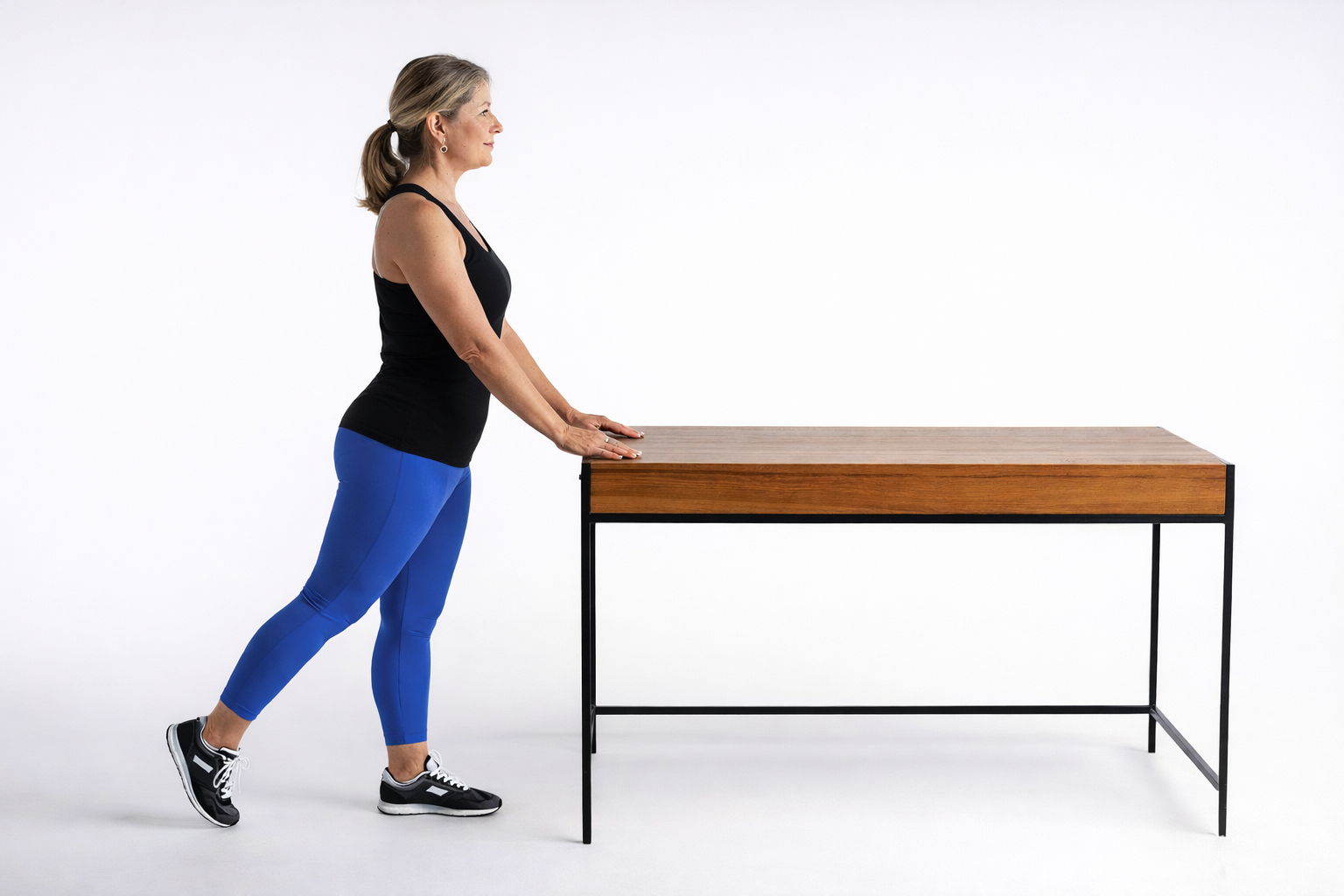
Balance training is crucial for seniors with arthritis, as joint stiffness can affect stability and increase fall risk. Controlled extension movements, such as slow leg extensions while holding onto a counter, help improve both balance and joint flexibility simultaneously.
Practice standing on one foot while extending the opposite leg backward or to the side. Hold the position for 10-30 seconds, depending on your ability level. These exercises strengthen stabilizing muscles while promoting healthy joint extension.
7. Fall Prevention Strategies Using Hip and Knee Extension Strength
Strong hip and knee extension muscles are essential for preventing falls and maintaining independence. Simple exercises like sit-to-stand movements from a chair help develop the extension strength needed for daily activities.
Practice getting up from increasingly lower seats as your strength improves. This functional exercise directly translates to easier movement in daily life and reduces the risk of falls during routine activities.
8. Daily Functional Activities Requiring Adequate Extension Capacity
Understanding which daily activities require joint extension helps you focus your efforts on the most beneficial exercises. Activities like climbing stairs, getting out of bed, reaching for high shelves, and walking all require adequate joint extension capacity.
Practice these movements in a controlled, pain-free manner during your exercise sessions. Start with modified versions and gradually work toward full range of motion as your joints become more flexible and pain decreases.
9. Medication Timing Coordination with Exercise for Optimal Pain Control
Timing your joint extension for seniors with arthritis exercises with your medication schedule can maximize pain relief and exercise effectiveness. Plan your extension routine for times when your pain medication is most effective, typically 30-60 minutes after taking anti-inflammatory medications.
Keep a simple log of your pain levels, medication timing, and exercise sessions to identify the optimal schedule for your individual needs. This coordination can make the difference between a productive exercise session and one that increases discomfort.
10. Long-Term Joint Preservation Through Regular Extension Maintenance
Consistency is key to maintaining joint health and mobility over time. Develop a sustainable routine that includes extension exercises at least 3-4 times per week. Regular movement prevents joints from becoming increasingly stiff and helps maintain the progress you’ve made.
The Centers for Disease Control and Prevention recommends at least 150 minutes of moderate physical activity per week for adults with arthritis. Break this down into manageable 10-15 minute sessions focused on joint extension and mobility.
Common Mistakes to Avoid
Many seniors make critical errors when attempting joint extension for seniors with arthritis that can worsen pain and reduce effectiveness. Avoid pushing through severe pain during exercises, as this can cause additional joint damage and inflammation.
Another common mistake is exercising during active flare-ups. When joints are severely inflamed and painful, gentle range-of-motion exercises are more appropriate than extension exercises. Wait for inflammation to subside before resuming your normal routine.
Inconsistent exercise patterns also limit progress. Sporadic exercise sessions are less effective than shorter, regular routines. It’s better to perform 10 minutes of extension exercises daily than 30 minutes once a week.
Finally, many people neglect proper warm-up before extension exercises. Cold muscles and joints are more prone to injury and will resist extension movements, making exercises less effective and potentially harmful.
Expert Tips and Advice
Start slowly and listen to your body. Begin with gentle movements and gradually increase intensity as your joints adapt. Some discomfort is normal, but sharp or severe pain indicates you should stop and reassess your approach.
Use the “two-hour rule” to gauge exercise intensity. If your joints feel more painful two hours after exercising than they did before you started, reduce the intensity or duration of your next session.
Keep a simple exercise log to track your progress and identify patterns. Note which exercises help most, what time of day works best, and how your pain levels respond to different activities.
Consider working with a physical therapist initially to ensure proper form and develop a personalized program. They can teach you modifications for your specific arthritis type and severity level.
Stay hydrated before, during, and after exercise sessions. Proper hydration helps maintain joint lubrication and can reduce exercise-related discomfort.
Moving Forward with Confidence
Implementing effective joint extension for seniors with arthritis requires patience, consistency, and a willingness to adapt your approach based on how your body responds. These 10 pain solutions provide a comprehensive framework for improving mobility and reducing discomfort.
Remember that progress may be gradual, but every small improvement in joint extension contributes to better overall function and quality of life. Start with the techniques that feel most comfortable and gradually incorporate additional strategies as your confidence and ability improve.
With dedication and the right approach, you can maintain an active, independent lifestyle despite arthritis challenges. Focus on what you can do rather than limitations, and celebrate each milestone in your journey toward better joint health and reduced pain.