Building impressive biceps starts with understanding the right approach for beginners. The bicep muscle consists of two distinct heads, and targeting the long head bicep exercises specifically can create that coveted peak and overall arm thickness that fitness enthusiasts seek.
For beginners wanting bigger arms, mastering proper form and technique is crucial before progressing to advanced movements. This comprehensive guide will walk you through 6 fundamental exercises designed specifically for those just starting their arm-building journey.
Understanding Bicep Anatomy Before Your First Workout
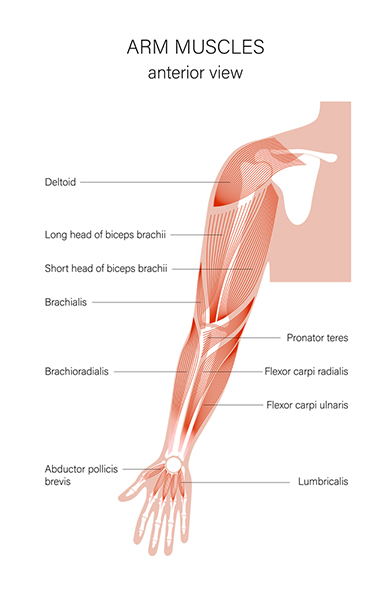
Before diving into specific bicep long head exercises, it’s essential to understand what you’re working with. The bicep muscle, technically called the biceps brachii, has two distinct parts: the short head and the long head.
The long head originates from the shoulder blade and runs along the outer portion of your upper arm. When properly developed, it creates that impressive bicep peak that’s visible from the side. The short head sits on the inner portion and contributes to overall bicep width.
Understanding this anatomy helps beginners focus their efforts effectively. Long head bicep exercises typically involve movements where your arms are positioned behind your body or when you’re using a neutral grip position.
Why Focus on the Long Head?
The long head of the bicep is often underdeveloped in beginners because traditional curls primarily target the short head. By incorporating specific long head movements, you’ll achieve more balanced development and that sought-after bicep peak.
Research from the National Center for Biotechnology Information shows that grip position and arm angle significantly affect which portion of the bicep receives the most stimulation.
The 6 Perfect Starting Points for Beginners
1. Standing Hammer Curls with Proper Posture Setup
Standing hammer curls are the foundation of effective long head bicep exercises for beginners. This movement uses a neutral grip that naturally emphasizes the long head while being easier to learn than traditional curls.
How to Perform Standing Hammer Curls:
- Stand with feet shoulder-width apart, holding dumbbells at your sides
- Keep your palms facing each other (neutral grip) throughout the movement
- Slowly curl the weights up, focusing on squeezing your biceps
- Lower with control, taking 2-3 seconds for the descent
- Keep your elbows close to your sides throughout
Pros of Standing Hammer Curls:
Beginner-friendly form makes this exercise accessible to newcomers. The neutral grip feels natural and reduces wrist strain common with other curl variations. Additionally, this movement effectively targets both the long head of the bicep and the brachialis muscle.
Cons and Injury Prevention:
The main drawback is the temptation to use momentum, especially as weights get heavier. Beginners often swing their bodies or rock back and forth, which reduces effectiveness and can strain the lower back. Focus on strict form over heavy weight to prevent injury.

2. Dumbbell Concentration Curls for Learning Mind-Muscle Connection
Concentration curls are among the most effective bicep long head exercises for beginners because they eliminate momentum and force you to focus on the muscle being worked.
Proper Concentration Curl Technique:
- Sit on a bench with your legs spread wide
- Hold a dumbbell in one hand, bracing your elbow against your inner thigh
- Start with your arm fully extended
- Curl the weight up slowly, focusing on squeezing the bicep
- Hold the peak contraction for one second
- Lower slowly and repeat
Benefits for Beginners:
This exercise teaches the crucial mind-muscle connection that beginners need to develop. By eliminating the possibility of using momentum, concentration curls force proper muscle activation. The seated position also provides stability for those still learning proper form.
Potential Drawbacks:
Some beginners find the position awkward initially. There’s also a tendency to lean too heavily on the supporting leg, which can cause discomfort. Start with lighter weights and focus on feeling the muscle work rather than lifting heavy.
3. Assisted Chin-ups to Build Foundational Strength
Assisted chin-ups might seem advanced, but they’re actually perfect long head bicep exercises for beginners when performed with proper assistance. This compound movement builds functional strength while targeting the long head effectively.
Setting Up Assisted Chin-ups:
- Use an assisted chin-up machine or resistance bands for support
- Grip the bar with palms facing you, hands shoulder-width apart
- Start from a dead hang with arms fully extended
- Pull yourself up slowly, leading with your chest
- Lower with control, taking 3-4 seconds for the descent
Why Beginners Should Include This Movement:
Chin-ups are a compound exercise that works multiple muscle groups simultaneously, making them incredibly efficient for beginners. The pulling motion with an underhand grip heavily emphasizes the long head of the bicep while also strengthening the back and core.
Common Issues and Safety:
Many beginners attempt chin-ups too early without adequate assistance. This leads to poor form, potential shoulder injury, and discouragement. Always use enough assistance to maintain proper form throughout the entire range of motion.

4. Cable Curls with Adjustable Resistance for Progression
Cable curls offer unique advantages for beginners learning bicep long head exercises. The constant tension provided by cables helps beginners understand proper muscle activation throughout the entire range of motion.
Cable Curl Execution:
- Set the cable pulley to the lowest position
- Attach a straight bar or rope attachment
- Stand facing the machine with feet shoulder-width apart
- Keep your elbows stationary at your sides
- Curl the weight up smoothly, squeezing at the top
- Lower slowly, maintaining tension throughout
Advantages for New Lifters:
The adjustable resistance makes cable curls perfect for beginners who need to start light and progress gradually. The constant tension helps develop better muscle control, and the smooth resistance curve reduces the risk of joint stress.
Potential Limitations:
Cable machines aren’t available in all gym setups, and some beginners find the setup intimidating. There’s also a learning curve for adjusting the weight stack and understanding proper cable positioning.
5. Incline Dumbbell Curls for Optimal Long Head Activation
Incline dumbbell curls are considered one of the premier long head bicep exercises because the inclined position places the long head under maximum stretch at the bottom of the movement.
Proper Incline Curl Form:
- Set an adjustable bench to a 45-60 degree incline
- Sit back with a dumbbell in each hand
- Let your arms hang naturally at your sides
- Curl one or both arms up slowly
- Focus on the stretch at the bottom of each rep
- Avoid swinging or using momentum
Why This Exercise Excels:
The inclined position provides an optimal stretch for the long head, which research shows can enhance muscle growth. This exercise also reduces the ability to cheat with momentum, making it excellent for beginners learning proper form.
Beginner Considerations:
Some newcomers experience shoulder discomfort due to the stretched position. Start with very light weights and gradually increase as your flexibility improves. If you feel any shoulder pain, reduce the incline angle or skip this exercise temporarily.
6. Preacher Curls with Controlled Movement
Preacher curls round out our list of essential bicep long head exercises for beginners. This exercise provides excellent isolation and teaches proper elbow positioning for all curl variations.
Preacher Curl Technique:
- Adjust the preacher bench so your armpits rest at the top
- Hold a barbell or EZ-curl bar with an underhand grip
- Start with arms slightly bent, never fully locked out
- Curl the weight up smoothly
- Lower with control, stopping before full extension
- Keep your wrists straight throughout
Benefits for Skill Development:
Preacher curls eliminate the possibility of using body momentum, making them perfect for learning proper form. The fixed arm position helps beginners understand correct elbow placement for all bicep exercises.
Safety Concerns:
Never fully extend your arms at the bottom of preacher curls, as this can stress the elbow joint. Some beginners also tend to lean forward excessively. Maintain an upright posture and focus on smooth, controlled movements.
Common Form Mistakes Beginners Must Avoid Immediately
Even with the best long head bicep exercises, poor form can negate results and increase injury risk. Here are the most critical mistakes beginners make when starting their bicep training journey.
Using Too Much Weight Too Soon
The biggest mistake beginners make is prioritizing weight over form. Progressive overload is important, but it must be built on a foundation of proper technique. Start with weights that allow you to perform 12-15 controlled repetitions with perfect form.
Swinging and Using Momentum
Many beginners turn bicep curls into full-body exercises by swinging their torso and using momentum. This reduces the effectiveness of bicep long head exercises and can lead to lower back strain. Focus on isolating the bicep muscle and moving only at the elbow joint.
Neglecting the Negative Portion
The lowering phase of each repetition is equally important as the lifting phase. Beginners often let weights drop quickly, missing out on significant muscle-building benefits. Take 2-3 seconds to lower the weight in all your movements.
Poor Elbow Positioning
Letting elbows drift forward during curls shifts emphasis away from the biceps. Keep your elbows stationary at your sides throughout all long head bicep exercises. This ensures maximum bicep activation and reduces shoulder stress.
Creating Your Beginner Bicep Routine
Now that you understand the 6 fundamental movements, it’s time to structure them into an effective routine. According to American College of Sports Medicine guidelines, beginners should train each muscle group 2-3 times per week with 48 hours of rest between sessions.
Sample Weekly Structure
For optimal results with these long head bicep exercises, train your biceps twice per week. Choose 3-4 exercises from the list above and perform 3 sets of 8-12 repetitions for each movement.
Week 1-2: Focus on learning proper form with lighter weights. Concentrate on feeling the muscle work rather than lifting heavy.
Week 3-4: Gradually increase weight while maintaining perfect form. Add one additional set to each exercise.
Week 5-6: Continue progressing weight and consider adding a 4th exercise to your routine.
Rest and Recovery
Beginners often underestimate the importance of rest in muscle development. Your biceps grow during recovery, not during the workout itself. Ensure you’re getting adequate sleep and allowing 48 hours between bicep training sessions.
Nutrition and Hydration for Muscle Growth
Even the best bicep long head exercises won’t produce results without proper nutrition. Beginners need adequate protein to support muscle growth and carbohydrates to fuel their workouts.
Aim for 0.8-1 gram of protein per pound of body weight daily. Include protein sources like chicken, fish, eggs, and legumes in your diet. Stay hydrated by drinking water throughout the day, especially before and after workouts.
Tracking Progress and Staying Motivated
Progress tracking keeps beginners motivated and helps identify when it’s time to increase difficulty. Keep a simple workout log recording the exercises, weights, sets, and repetitions for each session.
Take progress photos every two weeks and measure your arm circumference monthly. Remember that muscle growth takes time, and beginners typically see noticeable changes after 6-8 weeks of consistent training.
When to Progress Beyond Beginner Exercises
After 8-12 weeks of consistent training with these foundational movements, you’ll be ready to explore more advanced long head bicep exercises. Signs you’re ready to progress include:
- Perfect form on all 6 exercises
- Ability to perform 3 sets of 12 repetitions with good control
- No longer feeling challenged by the current routine
- Noticeable improvements in arm size and strength
Conclusion
These 6 long head bicep exercises provide the perfect foundation for beginners looking to build impressive arms safely and effectively. Focus on mastering proper form, progressing gradually, and staying consistent with your training schedule.
Remember that building muscle is a journey, not a race. By starting with these beginner-friendly movements and focusing on technique over weight, you’ll develop the skills and strength needed for long-term success in your fitness journey.
Start with 2-3 of these exercises, master the form, and gradually add more movements as you become comfortable. With patience, consistency, and proper technique, you’ll be amazed at the results these fundamental bicep long head exercises can produce.