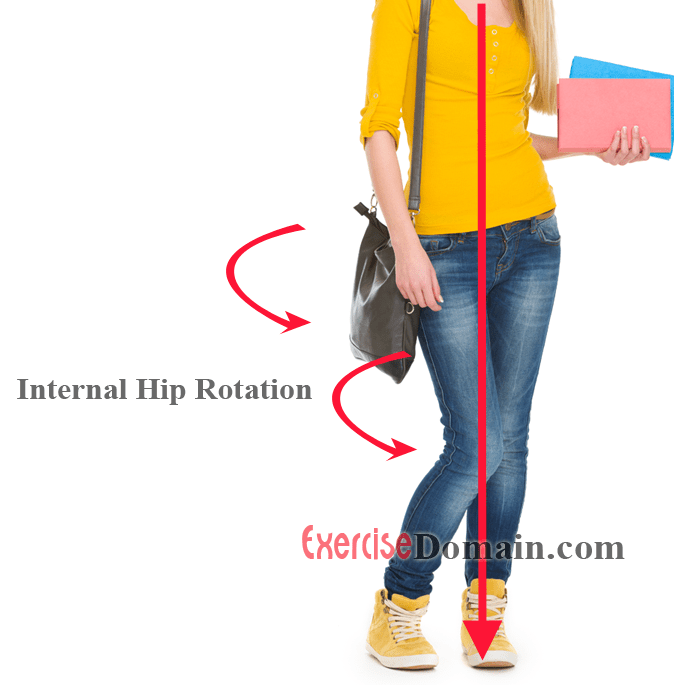
If you’ve been struggling with persistent lower back pain, the answer might not lie in your spine itself. Recent research reveals that internal medial rotation deficits in your hips could be the hidden culprit behind your discomfort.
Many people spend countless hours focusing on their back muscles, stretching and strengthening, only to find temporary relief. The breakthrough understanding is that your hips and lower back work as an interconnected system, and when hip mobility becomes restricted, your lumbar spine pays the price.
In this comprehensive guide, we’ll explore 5 proven methods that target internal medial rotation for lower back pain relief, helping you address the root cause rather than just the symptoms.
Understanding the Hip-Back Connection
Your hips are the foundation of your spine’s health. When internal medial rotation becomes limited, your body compensates by creating excessive movement in the lumbar spine. This compensation pattern leads to increased stress, inflammation, and eventually, chronic pain.
Think of your pelvis as the cornerstone of a building. When it becomes unstable or restricted, everything above it must work harder to maintain balance and function.
Research on Hip Internal Rotation and Back Injury
Studies published in the Journal of Biomechanics have consistently shown that individuals with limited hip internal rotation are significantly more likely to develop lower back injuries. The research indicates that even a 10-degree reduction in hip mobility can increase lumbar spine stress by up to 30%.
Professional athletes and weekend warriors alike demonstrate this pattern. Those with restricted hip internal medial rotation show compensatory movements that place excessive demands on the lower back during daily activities.
How Pelvic Imbalances Create Lumbar Spine Stress
When your hips can’t rotate internally as they should, several problematic patterns emerge. Your pelvis may tilt forward excessively, creating an increased curve in your lower back. This position compresses the joints and tissues in your lumbar spine.
Additionally, restricted hip mobility forces your lower back to become hypermobile. Instead of sharing movement responsibilities between your hips and spine, your back takes on the extra workload, leading to fatigue, inflammation, and pain.
Self-Assessment for Hip Internal Rotation Limitations
Before diving into the 5 breakthrough methods, it’s crucial to understand your current hip mobility status. This simple self-assessment will help you identify if limited internal medial rotation might be contributing to your lower back pain.
The Seated Hip Rotation Test
Sit in a chair with your feet flat on the floor and knees at 90 degrees. Place your hands on your knees and slowly move your feet apart while keeping your knees in place. This movement tests your hip’s ability to rotate internally.
Normal internal rotation should allow your feet to move 35-40 degrees from the starting position. If you feel tightness, pinching, or can only achieve 20 degrees or less, you likely have restrictions that could be affecting your back.
The Supine Hip Rotation Assessment
Lie on your back with one knee bent to 90 degrees. Hold your thigh steady and slowly move your lower leg outward, testing internal rotation. Compare both sides and note any differences in range of motion or discomfort.
Asymmetries between left and right sides often correlate with unilateral back pain patterns. The side with more restriction typically corresponds to the side of back discomfort.
5 Breakthrough Methods for Internal Medial Rotation
Now that you understand the connection and have assessed your mobility, let’s explore the 5 most effective methods for improving internal medial rotation for lower back pain relief.
Method 1: Progressive Hip Capsule Mobilization
The hip joint capsule often becomes tight and restricted, limiting internal rotation. This gentle mobilization technique helps restore normal joint mechanics.
The 90/90 Stretch Progression:
- Sit on the floor with both knees bent at 90 degrees, one in front and one to the side
- Lean forward over your front leg, feeling a stretch in your hip
- Hold for 30 seconds, then switch sides
- Progress by adding gentle pressure or holding longer as tolerated
Perform this mobilization twice daily, gradually increasing the intensity as your hip capsule adapts and lengthens.
Method 2: Dynamic Internal Rotation Training
Static stretching alone isn’t enough. Your hips need to learn how to actively move and control internal (medial) rotation.
Hip Controlled Articular Rotations (CARs):
- Stand on one leg, lie on your side, or use a quadruped position
- Keep your pelvis and spine still
- Slowly move your free leg through the largest pain-free circle possible
- Emphasize control in the internal rotation portion of the movement
- Perform 5–10 slow, deliberate circles in each direction
This method teaches your nervous system to access and control the newly gained range of motion, making the improvements functional and lasting.
Method 3: Targeted Muscle Release
Specific muscles often become overactive and restrict hip internal rotation. The Mayo Clinic emphasizes the importance of addressing tight hip muscles for overall lower back health.
Focus Areas for Release:
- Piriformis muscle using a tennis ball or foam roller
- Hip external rotators through targeted stretching
- Iliotibial band along the side of your thigh
- Deep hip flexors including the psoas
Spend 1-2 minutes on each area, using consistent pressure and allowing the muscle tension to gradually decrease. This preparation makes the subsequent strengthening exercises more effective.
Method 4: Core Stabilization for Hip Support
A strong, stable core provides the foundation for proper hip function. Without adequate core support, your hips can’t move efficiently, and internal medial rotation becomes compromised.
Progressive Core Sequence:
- Dead bug exercises with controlled arm and leg movements
- Modified planks focusing on maintaining neutral spine position
- Bird dog exercises emphasizing opposite arm and leg coordination
- Side planks to address lateral core stability
Start with 10-second holds and progress to 30-60 seconds as your endurance improves. Quality of movement is more important than duration.
Method 5: Functional Integration Exercises
The final breakthrough method involves integrating your improved internal medial rotation into functional movements that mirror daily activities.
Functional Movement Patterns:
- Squats with emphasis on proper hip and knee tracking
- Lunges in multiple directions to challenge hip mobility
- Step-ups incorporating rotation and reaching movements
- Walking patterns that emphasize proper gait mechanics
These exercises help transfer your mobility gains into real-world activities, ensuring that your improved hip function translates to reduced back pain during daily tasks.
Common Mistakes to Avoid
Many people make critical errors when addressing internal medial rotation for lower back pain. Understanding these mistakes can save you time and prevent setbacks in your recovery.
Mistake 1: Focusing Only on Stretching
While flexibility is important, stretching alone won’t solve the problem. You need a combination of mobility, stability, and motor control to create lasting change. Passive stretching without strengthening often leads to temporary improvements that don’t hold.
Mistake 2: Ignoring Pain Signals
Sharp, pinching, or severe pain during hip movements indicates a problem that may require professional evaluation. Discomfort from stretching is normal, but acute pain suggests you should modify your approach or seek guidance.
Mistake 3: Inconsistent Practice
Sporadic attention to hip mobility won’t create the neural and tissue adaptations necessary for improvement. Consistency matters more than intensity when developing internal medial rotation. Short, daily sessions are more effective than occasional longer workouts.
Mistake 4: Neglecting Both Sides
Even if your pain is one-sided, both hips need attention. Compensatory patterns often develop, and addressing only the “problem” side can perpetuate imbalances. Always work both hips to maintain symmetry and prevent future issues.
Expert Tips and Advice
Implementing these 5 breakthrough methods effectively requires attention to detail and progression. These expert tips will help you maximize your results and avoid common pitfalls.
Start Slowly and Progress Gradually
Your hip joints and surrounding tissues need time to adapt to new ranges of motion. Begin with gentle movements and gradually increase intensity over weeks, not days. This approach prevents injury and ensures lasting improvements in internal medial rotation.
Pay Attention to Quality Over Quantity
Perfect movement patterns performed 5 times are more valuable than sloppy repetitions performed 20 times. Focus on smooth, controlled movements that challenge your hip’s ability to move through its full range of motion with precision.
Monitor Your Progress
Keep track of your hip mobility measurements and pain levels. Take photos or videos of your movement assessments weekly to objectively monitor improvements. This documentation helps you stay motivated and adjust your program as needed.
Combine with Professional Care When Needed
While these methods are safe and effective for most people, some conditions require professional intervention. If you have severe pain, a history of hip surgery, or other medical concerns, consult with a healthcare provider before beginning this program.
Be Patient with the Process
Significant improvements in internal medial rotation for lower back pain typically occur over 4-8 weeks of consistent practice. Some people notice changes sooner, while others need more time. Trust the process and maintain consistency with your chosen methods.
Conclusion
Lower back pain doesn’t have to be a permanent part of your life. By addressing the underlying hip mobility restrictions that contribute to spinal stress, you can achieve lasting relief and prevent future episodes.
The 5 breakthrough methods outlined in this guide provide a comprehensive approach to improving internal medial rotation for lower back pain. From progressive mobilization to functional integration, each method builds upon the others to create a complete solution.
Remember that consistency and patience are your greatest allies in this journey. Start with the self-assessment, choose the methods that feel most appropriate for your current ability level, and gradually progress as your hip mobility improves.
Your lower back will thank you for taking this comprehensive approach to addressing the true source of your pain. Begin today, and take the first step toward a pain-free future.